Earthquakes
Published on: March 01, 2013
Earthquakes
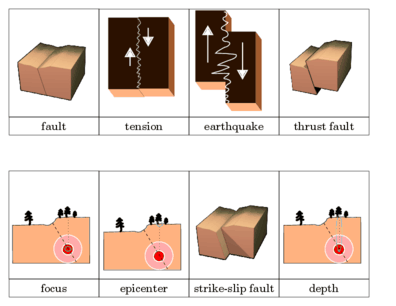
The Earth is always moving, usually so slowly that we don’t notice it. But sometimes the ground shakes suddenly — that’s an earthquake!
What Causes Earthquakes?
The Earth’s outer shell is made of large pieces called tectonic plates. These plates float on hot, melted rock deep underground. When plates push against each other, pull apart, or slide past one another, the ground can shake. The place where the shaking starts underground is called the focus, and the spot directly above it on the surface is the epicenter.
Measuring Earthquakes
Scientists use a tool called a seismograph to measure earthquakes. The Richter scale rates how strong an earthquake is — small earthquakes happen every day, but most are too gentle to feel.
Materials
- Earth Science Kit — includes tectonic plate models and earthquake simulation activities
- Earthquakes & Volcanoes Science Kit — hands-on geology experiments for young scientists
Related Lessons
Bringing Earthquake Science into Your Home
One of my favorite hands-on activities for teaching about earthquakes is building a simple seismograph with your child. You can make one using a cardboard box, a marker suspended from a string, and a strip of paper that you pull slowly beneath it. When you shake the box gently, the marker records the "earthquake" in wobbly lines on the paper. Children are fascinated to see how scientists detect and measure what's happening deep underground. It's a perfect blend of science and practical engineering, and your child will beam with pride at their creation.
Connecting Earthquakes to the Bigger Picture
If you've already explored the layers of the Earth, earthquakes are a natural next step — literally! Talk with your child about how the Earth's crust is broken into tectonic plates that float on the mantle. You can demonstrate this with graham crackers floating on a layer of frosting or pudding. Push them together, pull them apart, and slide them past each other. Your child will see how mountains form, trenches open, and earthquakes happen — all on their kitchen table.
Pair this with a world map where your child can mark major earthquake zones with small dot stickers. They'll quickly notice the "Ring of Fire" pattern around the Pacific, and that moment of discovery is pure Montessori magic. You're weaving together geography, earth science, and critical thinking all at once!